Introduction
In the world of digital marketing, email marketing remains one of the most effective, powerful, and cost-efficient tools available to businesses today. While newer marketing platforms like social media, influencer marketing, and paid ads continue to grow, email marketing has stood the test of time. It provides businesses—whether startups, established enterprises, or individual entrepreneurs—with a direct and personal line of communication to their customers.
But what makes email marketing so beneficial? Why is it still used by almost every serious digital marketer and organization? This article dives deep into the many advantages of email marketing for businesses and provides a practical, real-life example to help understand its impact.
1. Cost-Effectiveness
One of the most obvious benefits of email marketing is that it is significantly cheaper than other forms of advertising. Unlike print media, billboards, or even paid digital ads, email marketing requires minimal investment to reach thousands—even millions—of potential customers.
-
No need for large design budgets
-
No printing or postage costs
-
Affordable or even free tools available (Mailchimp, Brevo, ConvertKit, etc.)
According to Litmus, email marketing generates an average return of $36 for every $1 spent, making it one of the highest ROI (Return on Investment) channels available.
2. Direct and Personalized Communication
Email marketing provides a direct line of communication to the recipient’s inbox. This is powerful because:
-
Emails are more likely to be seen than social media posts.
-
You are not at the mercy of third-party algorithms (as with Instagram, Facebook, etc.).
-
It allows for personalization based on the recipient’s behavior, name, preferences, and past interactions.
Example of personalization:
-
Subject line: “Hey Simmi, your exclusive 20% offer is expiring soon!”
-
Body: “Since you loved our last product, we thought you’d enjoy these…”
This type of messaging increases open rates, click-through rates (CTR), and conversions.
3. Builds and Nurtures Customer Relationships
Email marketing allows businesses to build and nurture long-term relationships with customers. By consistently providing valuable content, updates, offers, or support via email, brands can earn trust and foster loyalty.
Types of nurturing emails:
-
Welcome emails
-
Thank-you emails after purchases
-
Weekly or monthly newsletters
-
Product updates
-
Loyalty rewards and exclusive offers
Over time, this trust leads to repeat purchases, referrals, and brand advocacy.
4. Easy to Track and Measure Performance
Another major benefit of email marketing is the measurability of its performance. Most email marketing platforms provide detailed analytics, including:
-
Open rates
-
Click-through rates (CTR)
-
Bounce rates
-
Conversion rates
-
Unsubscribe rates
Businesses can use these insights to:
-
A/B test different email formats
-
Understand customer preferences
-
Improve content and design
-
Optimize the timing and frequency of email campaigns
This data-driven approach ensures continuous improvement and better ROI.
5. Scalable and Automation-Friendly
Email marketing is easily scalable. Whether you’re sending to 100 subscribers or 1 million, the cost and effort remain relatively low compared to other marketing forms.
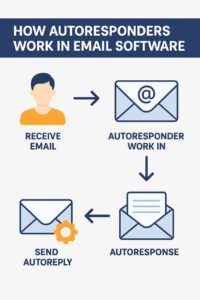
Furthermore, email automation allows businesses to create sequences or workflows based on customer behavior. Examples:
-
Sending a welcome series after someone subscribes
-
Automatically sending cart abandonment reminders
-
Sending birthday wishes or annual customer appreciation emails
This automation helps businesses save time, maintain consistency, and improve customer experience without constant manual effort.
6. Segmenting Audiences for Better Targeting
With email marketing, businesses can segment their subscriber list based on various criteria like:
-
Purchase history
-
Geographic location
-
Engagement levels
-
Interests or demographics
This means marketers can tailor their messaging to suit each segment’s needs, increasing the relevance and effectiveness of every campaign.
Example:
-
Customers who bought Product A may receive upsell recommendations.
-
Inactive users might receive re-engagement emails with special offers.
The result? Higher engagement and lower unsubscribe rates.
7. Drives Traffic to Website or Online Store
Email marketing can serve as a reliable source of traffic to a business’s website, blog, or online store. By including links and call-to-action (CTA) buttons in the email, businesses guide readers directly to a desired landing page.
Typical CTA examples:
-
“Read our latest blog post”
-
“Explore new arrivals”
-
“Claim your discount”
-
“Book your free consultation”
Emails can be used to highlight new content, launch new products, or promote seasonal sales—driving both awareness and sales.
8. Strengthens Brand Awareness and Authority
By consistently appearing in your audience’s inbox with valuable information, helpful tips, or expert advice, your business becomes more recognizable and authoritative in your niche.
For example, a software company might send weekly newsletters offering productivity tips, industry news, or tutorials. Over time, subscribers begin to associate that company with expert knowledge—making them more likely to trust and buy from it.
Branding in emails also allows consistent use of logos, color schemes, and tone of voice—reinforcing the business identity.
9. Encourages Immediate Action
Emails can create a sense of urgency that motivates users to take immediate action. Examples of this include:
-
Limited-time offers
-
Flash sales
-
Countdown timers in emails
-
“Only 3 spots left” or “Offer ends tonight”
This urgency taps into the FOMO (Fear Of Missing Out) phenomenon, pushing customers to make quicker decisions.
10. Accessible to Businesses of All Sizes
Unlike expensive media campaigns, email marketing is accessible to businesses of all sizes—from solopreneurs to multinational corporations. Small businesses can compete with big brands through:
-
Niche content
-
Personalized communication
-
Strong customer service via email
Even students or freelancers can start building an email list to promote their services or sell digital products.
11. Legal and Permission-Based Marketing
Email marketing is a permission-based form of communication. Users typically opt-in to receive emails, making them more receptive. Additionally, laws like GDPR and the CAN-SPAM Act require transparency and control for subscribers.
This builds ethical, opted-in audiences that are more likely to engage, compared to cold advertising.
Real-Life Example: Email Marketing in Action
Business: GreenLeaf Naturals – A Small Organic Skincare Brand
Background:
GreenLeaf Naturals is a small business selling organic skincare products online. The founder, Priya, started building an email list using a free eBook titled “10 Natural Remedies for Glowing Skin.”
Email Marketing Strategy:
1. Welcome Email Series
Once someone downloads the eBook, they receive a welcome series:
-
Email 1: Thank you and eBook delivery.
-
Email 2: About the brand and mission.
-
Email 3: Customer testimonials and product highlights.
-
Email 4: Exclusive 15% discount on their first purchase.
2. Weekly Newsletter
Every Friday, GreenLeaf sends a “Skincare Tip of the Week,” along with blog links, reviews, and product suggestions.
3. Seasonal Campaigns
During festive seasons, they run time-sensitive campaigns like:
-
“Diwali Glow Kit – 25% Off for 3 Days Only!”
-
“Monsoon Skincare Essentials – Free Shipping This Week”
4. Automation & Segmentation
-
Customers who bought moisturizers receive a follow-up email after 30 days suggesting related products.
-
Inactive users (no purchases in 90 days) receive re-engagement emails with incentives.
Results after 6 months:
-
Email list grew to 10,000+ subscribers.
-
Average open rate: 35%
-
Conversion rate from email: 7.2%
-
40% of total online sales came directly from email marketing campaigns.
This helped the brand scale without a large marketing budget and build a loyal customer base.
Conclusion
Email marketing is more than just a way to send messages—it’s a strategic tool that, when used effectively, can help businesses build strong customer relationships, drive revenue, enhance brand recognition, and grow sustainably. Its affordability, scalability, and versatility make it one of the most valuable channels for businesses of all types and sizes.
From delivering personalized content to promoting special offers, from driving traffic to nurturing leads, email marketing remains unmatched in its ability to connect directly and meaningfully with audiences.
Whether you’re a startup owner, a digital entrepreneur, or a student exploring marketing, understanding and leveraging the benefits of email marketing can offer lasting value and measurable growth.