Introduction
In today’s digital-first world, brands face fierce competition to attract and retain customers. While advertisements, SEO, and social media can bring in traffic, building lasting relationships with customers requires more than just visibility—it requires consistent, personal, and value-driven communication.
One of the most effective and reliable tools for achieving this is email marketing.
Email marketing doesn’t just help businesses sell more; it plays a critical role in nurturing long-term customer relationships, enhancing loyalty, trust, and engagement. Unlike one-time interactions on social media or search engines, emails allow businesses to maintain a direct and ongoing conversation with customers.
This article explores in detail how email marketing helps build strong customer relationships and provides a practical example to illustrate its effectiveness.
1. Email Is a Direct and Personal Communication Channel
Unlike public platforms like Instagram or YouTube, email offers a one-to-one connection between a business and its customers. Each email lands in a subscriber’s personal inbox—offering a private space for the brand to communicate its message.
Why this matters:
-
The message feels exclusive and personalized.
-
Customers can respond directly, which enables dialogue.
-
Email cuts through the noise of crowded social feeds.
For example, a customer is more likely to open and engage with an email that says, “Hi Riya, here are skincare tips for your dry skin,” than a generic social post.
2. Enables Consistent and Timely Communication
A big part of relationship-building is consistency. Email allows brands to stay top-of-mind through regular updates, reminders, and educational content.
Businesses can send:
-
Welcome emails when someone joins the mailing list.
-
Weekly newsletters sharing valuable insights.
-
Monthly updates about new product launches or events.
-
Seasonal emails with relevant offers or greetings.
Over time, this consistent communication builds familiarity, which is the foundation of trust.
3. Personalization and Segmentation Deepen Engagement
Modern email marketing tools allow businesses to segment their audience based on interests, purchase behavior, demographics, or location—and send personalized content accordingly.
Segmentation examples:
-
Customers who bought Product A can receive related product tips.
-
Users who signed up for a fitness challenge can get tailored workout plans.
-
Inactive users can be sent re-engagement offers.
Personalized emails have:
-
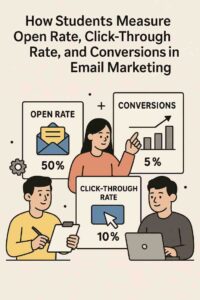
Higher open rates
-
Better click-through rates (CTR)
-
More conversions
More importantly, they make the recipient feel seen and understood, which fosters a deeper connection.
4. Builds Trust Through Value-Driven Content
Relationship-building in marketing isn’t only about promoting products. It’s also about educating, entertaining, and supporting your audience.
Types of non-promotional, value-driven emails:
-
“How-to” guides and tips
-
Educational newsletters
-
Inspirational stories or testimonials
-
Product usage tutorials
-
Behind-the-scenes updates
By adding value rather than just pushing for sales, businesses position themselves as trusted advisors instead of just sellers. Over time, this builds loyalty and emotional connection.
5. Creates Two-Way Conversations
Email is not a one-way street. Brands can encourage feedback, questions, and reviews through email, creating a two-way dialogue.
Examples include:
-
“How was your experience with our product?”
-
“Reply to this email with your favorite skincare hack!”
-
“We’re planning our next product—what would you love to see?”
When customers feel heard and involved, they are more likely to become brand advocates and repeat buyers.
6. Strengthens Loyalty with Exclusive Benefits
Email is a great way to reward your loyal customers. Whether it’s through early access to sales, birthday discounts, loyalty points, or sneak peeks, email helps make your subscribers feel special and valued.
Types of loyalty-building emails:
-
“You’ve been with us for 1 year—here’s 25% off.”
-
“As a VIP subscriber, get early access to our new collection.”
-
“Thanks for your 5th purchase—your loyalty means the world.”
These gestures reinforce positive emotions and build emotional loyalty, which is more powerful than transactional loyalty.
7. Re-engages Dormant Customers
Even your most loyal customers may become inactive over time. Email marketing allows you to reconnect with those users.
Re-engagement campaigns can include:
-
Reminder emails: “Haven’t seen you in a while.”
-
Incentives: “Come back and get 15% off your next order.”
-
Feedback requests: “Tell us how we can serve you better.”
This shows the customer that you care about their presence, helping reignite the relationship.
8. Automates Relationship Nurturing
With email automation, businesses can set up entire workflows to nurture relationships based on user behavior.
Examples of email automation:
-
A welcome series introducing new subscribers to your brand.
-
A post-purchase sequence that provides tips, thanks, and upsell offers.
-
A birthday greeting email with a personalized coupon.
These sequences work in the background, providing consistent communication and nurturing without constant manual effort.
9. Helps Share Your Brand Story and Mission
People don’t just connect with products—they connect with stories. Email provides an excellent platform to share your brand’s journey, values, behind-the-scenes content, or founder’s messages.
By humanizing the brand, you create a more personal and emotional bond with your customers.
Examples:
-
“Meet our founder – how she started her wellness journey”
-
“Behind the scenes of how we make our organic soaps”
-
“Why sustainability is at the heart of everything we do”
When customers relate to your mission, they become more emotionally invested in your brand.
10. Builds Community and Advocacy
A strong customer relationship goes beyond just buying and selling—it fosters community and advocacy. Through email, you can:
-
Invite customers to events or webinars
-
Feature customer stories or reviews
-
Ask for user-generated content like photos or testimonials
When customers feel they’re part of something bigger, they naturally share it with others, turning into brand ambassadors.
Real-Life Example: Building Customer Relationships Through Email
Brand: Glow Essence – A Natural Skincare Company
Background:
Glow Essence is a small, online-only skincare brand that started with one product: a vitamin C serum. Founder Meera built her business around authenticity, customer care, and quality products.
How Glow Essence Used Email Marketing:
1. Welcome Email Series (Trust Building)
When someone subscribes:
-
Email 1: A personal message from Meera sharing her story + 10% off.
-
Email 2: How to use the vitamin C serum for best results.
-
Email 3: Testimonials from happy customers + link to skincare guide.
This sequence builds trust and creates a warm first impression.
2. Weekly Newsletter (Consistency and Value)
Every Wednesday, subscribers receive:
-
A skincare tip (e.g., “5 ways to keep your skin glowing during winter”)
-
A featured product with benefits
-
A customer question of the week answered by Meera
This kept customers engaged and eager to open future emails.
3. Personalized Recommendations (Segmentation)
Using past purchase data:
-
Customers who bought the vitamin C serum were sent tips for pairing it with Glow Essence’s night cream.
-
Inactive users were offered a “We Miss You” discount.
-
High-spending customers were invited to the VIP club.
4. Loyalty Rewards (Emotional Connection)
-
Every 5th purchase triggered a “Thank You” email with a handwritten note and a 20% discount.
-
Birthday emails with a surprise coupon code.
This made customers feel appreciated and valued.
5. Feedback Loop (Two-Way Communication)
Glow Essence asked for reviews and feedback after each purchase. Emails asked:
-
“Did your serum help with your skin goals?”
-
“We’d love a testimonial—feature on our website!”
Over 30% of customers responded, increasing the brand’s credibility and engagement.
Results After 12 Months:
-
Email list grew to 25,000+ subscribers
-
42% average open rate
-
60% of repeat purchases came from email campaigns
-
Over 300 customer testimonials collected
Customers felt like they were part of a family—not just buyers of a product.
Conclusion
Email marketing is not just a promotional tool—it’s a relationship-building powerhouse. It gives businesses the ability to communicate consistently, personally, and meaningfully with their audience. By delivering value, listening to customers, and treating them like individuals rather than leads, email marketing helps brands turn one-time buyers into loyal advocates.
To summarize, email marketing builds customer relationships by:
-
Creating personal and direct conversations
-
Delivering consistent and valuable communication
-
Using personalization and segmentation to increase relevance
-
Encouraging two-way engagement and feedback
-
Rewarding loyalty and strengthening emotional connection
Whether you’re a large corporation or a student running a small digital business, mastering email marketing can help you build a community of engaged, happy customers who stay with you for the long haul.
Would you like a ready-made email sequence template to start building customer relationships for your own business?