Introduction
In the modern era of digital transformation, recruitment strategies have evolved beyond traditional methods like newspaper ads, career fairs, and basic job boards. Today, LinkedIn has emerged as a dominant platform for recruitment, revolutionizing how companies identify, attract, and hire talent globally. With over one billion professionals worldwide, LinkedIn offers unparalleled access to a vast pool of candidates across industries, roles, and experience levels.
This essay explores the ways companies leverage LinkedIn for recruitment, the tools and features that enable effective hiring, and the strategic benefits of using this platform. It also highlights a real-world example demonstrating how a company successfully used LinkedIn to fulfill its hiring needs.
1. The Shift to Digital Recruitment
Before diving into LinkedIn-specific tactics, it’s important to understand the context of digital recruitment. Traditional recruitment methods often suffered from limited reach, time-consuming processes, and difficulties in vetting candidates effectively. LinkedIn, as a professional networking platform, allows companies to:
- Access passive candidates who may not be actively job hunting but are open to opportunities.
- Use advanced search filters to find candidates that meet specific criteria.
- Evaluate candidates based on detailed profiles, endorsements, recommendations, and activity.
- Communicate directly with potential hires, shortening the recruitment cycle.
2. How Companies Use LinkedIn for Recruitment
2.1. Job Posting and Advertising
Companies can post job openings on LinkedIn via the LinkedIn Jobs feature. This allows them to:
- Describe the role, required skills, qualifications, company culture, and benefits.
- Target job ads to specific audiences based on location, industry, experience, and more.
- Promote job posts to appear prominently on LinkedIn feeds, increasing visibility.
LinkedIn also offers paid job ads that amplify reach, ensuring posts attract quality candidates faster.
2.2. Talent Search with LinkedIn Recruiter
LinkedIn Recruiter is a premium tool that enables recruiters to conduct highly refined searches. Features include:
- Advanced filters for skills, experience, education, location, current employer, and more.
- Access to a vast database of profiles beyond your immediate connections.
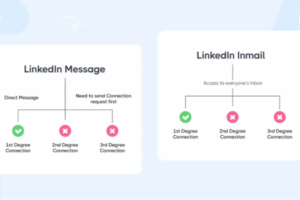
- The ability to send InMail messages directly to candidates, even if they aren’t connected.
- Saving and organizing candidate profiles for easy tracking.
This tool helps recruiters proactively search for the best-fit candidates, rather than waiting passively for applications.
2.3. Employer Branding
Companies use LinkedIn not just for hiring but also for building their employer brand to attract talent. By maintaining an active LinkedIn Company Page, organizations:
- Share updates about company culture, employee stories, and achievements.
- Showcase workplace values and diversity initiatives.
- Post videos and photos from events, highlighting the work environment.
- Publish thought leadership articles to position the company as an industry leader.
A strong employer brand makes job seekers more likely to apply, improving the quality of applicants.
2.4. Engaging Passive Candidates
Not all great candidates are actively looking for a job. LinkedIn allows companies to identify and approach these passive candidates through:
- Networking with industry professionals.
- Inviting promising candidates to follow the company page.
- Sending personalized InMail messages highlighting opportunities.
- Engaging candidates by commenting on posts or sharing relevant content.
This approach widens the talent pool beyond traditional active job seekers.
2.5. Screening and Evaluation
LinkedIn profiles often serve as an initial screening tool. Recruiters can:
- Review detailed work history, education, and skills.
- Check endorsements and recommendations for validation.
- Observe candidate engagement and contributions to the professional community.
- Use LinkedIn Skill Assessments results (if available) to verify capabilities.
This data helps recruiters decide whether to proceed with interviews.
2.6. Networking and Referrals
Companies encourage employees to share job postings and refer connections, leveraging the power of social networks for recruitment. Employee referrals typically result in:
- Higher quality candidates.
- Faster hiring processes.
- Increased employee retention.
LinkedIn facilitates referral tracking and provides tools to incentivize sharing job openings within networks.
3. Benefits of Using LinkedIn for Recruitment
- Efficiency: Automates much of the search and initial screening process.
- Reach: Access to millions of professionals worldwide.
- Data-Driven: Rich candidate profiles provide insights beyond resumes.
- Branding: Opportunities to showcase company culture and values.
- Proactivity: Ability to engage passive candidates and build pipelines.
- Cost-Effective: Reduces reliance on external recruitment agencies.
4. Challenges and Considerations
While LinkedIn is powerful, companies should be aware of challenges such as:
- Competition: Many companies vie for top talent on the platform.
- Profile Authenticity: Some profiles may exaggerate skills or experience.
- Overwhelming Responses: Popular postings can attract many unqualified applicants.
- Bias: Algorithms may favor certain candidates, so recruiters must stay objective.
Effective recruiters combine LinkedIn tools with human judgment to maximize results.
5. Example: How a Tech Startup Used LinkedIn for Recruitment
Context:
“BrightCode,” a growing tech startup specializing in AI software, needed to hire 10 skilled software engineers within three months to meet a critical product launch deadline.
Actions Taken:
- BrightCode created a compelling LinkedIn Company Page, regularly posting about their innovative projects and company culture.
- They posted detailed job descriptions for software engineer roles, using targeted job ads to reach candidates with specific skills like Python, machine learning, and cloud computing.
- The HR team used LinkedIn Recruiter to search for candidates who matched their criteria, focusing on those with experience at similar companies or industries.
- Personalized InMail messages were sent to promising candidates, highlighting the opportunity and company vision.
- Current BrightCode employees were encouraged to share job posts and refer qualified contacts.
- The company reviewed candidates’ LinkedIn profiles thoroughly, assessing skills and recommendations before scheduling interviews.
Outcome:
- Within two months, BrightCode had interviewed over 50 qualified candidates.
- They hired all 10 engineers ahead of schedule, attributing the success to LinkedIn’s ability to reach passive and active candidates efficiently.
- BrightCode’s employer brand improved significantly, attracting more followers and engagement on their LinkedIn page.
- The new hires integrated smoothly, motivated by the company’s transparent and engaging recruitment process.
6. Conclusion
LinkedIn has become an indispensable platform for recruitment, offering companies a multifaceted approach to finding and hiring the best talent. Through job postings, advanced search tools, employer branding, and networking features, companies can attract both active and passive candidates efficiently. While challenges exist, the benefits of LinkedIn recruitment — including its reach, data-rich profiles, and proactive communication — far outweigh them.
The example of BrightCode highlights how startups and established companies alike can leverage LinkedIn to meet ambitious hiring goals and build a strong employer brand. For any company aiming to thrive in today’s competitive talent market, investing in LinkedIn recruitment strategies is a smart, effective choice.