In today’s digital and highly connected world, students need more than just classroom knowledge to succeed academically and professionally. Building a strong online presence, networking with the right people, and continuously learning new skills have become crucial parts of a student’s journey. LinkedIn, the world’s largest professional networking platform, offers students a powerful tool to support and enhance their academic life.
This essay will explain in detail how students can leverage LinkedIn for academic development. It will highlight various features and opportunities the platform offers — from showcasing achievements and networking to discovering internships and accessing educational resources. The essay will conclude with a real-world example that demonstrates the tangible benefits of LinkedIn for a student.
1. Creating a Professional Digital Profile
The first step for any student is to build a LinkedIn profile — essentially an online CV that presents one’s academic achievements, skills, and experiences. Unlike traditional resumes, LinkedIn profiles are dynamic and interactive, allowing students to continuously update and expand their academic journey.
Benefits:
- Showcasing academic accomplishments: Students can list their degrees, courses, projects, research papers, scholarships, and awards.
- Highlighting extracurricular activities: Leadership roles, clubs, volunteer work, and internships all add depth to a student’s profile.
- Adding multimedia elements: Students can upload presentations, videos, or links to portfolios and personal websites.
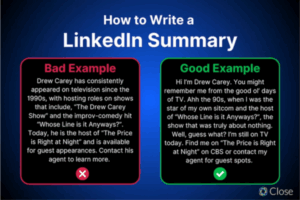
- Presenting a professional image: Having a polished profile photo and well-written summary helps students create a positive first impression.
This digital presence can be shared with professors, potential employers, or graduate schools, offering a convenient way to present one’s academic and personal brand.
2. Building and Expanding Academic Networks
Networking is a cornerstone of both academic and career success. LinkedIn allows students to connect with a wide range of individuals, including:
- Classmates and peers: Collaborate on projects and share study resources.
- Professors and mentors: Seek guidance, recommendations, and academic advice.
- Alumni from their university: Gain insights into different career paths and academic opportunities.
- Industry professionals: Learn about real-world applications of academic concepts and get career advice.
- Recruiters and internship providers: Stay updated on potential job and internship openings.
Unlike casual social media, LinkedIn encourages meaningful professional connections. Students can send personalized messages to initiate conversations, join academic groups, and participate in discussions related to their fields.
3. Finding Academic Opportunities and Internships
LinkedIn’s Jobs and Internships sections provide a curated list of opportunities tailored to students’ interests and academic backgrounds.
Advantages for students include:
- Access to internships related to their study fields.
- Notifications of scholarships, fellowships, or academic competitions.
- Opportunities for part-time research assistant roles.
- Direct application to companies and institutions without the need for intermediaries.
LinkedIn’s “Easy Apply” feature simplifies the application process, enabling students to submit their LinkedIn profiles directly, which can speed up their chances of getting noticed.
4. Learning and Skill Development
LinkedIn Learning is a valuable resource offering thousands of courses on a variety of subjects, from technical skills like coding and data analysis to soft skills like communication and leadership.
For students, this means:
- Supplementing academic curriculum with up-to-date practical knowledge.
- Preparing for exams or certifications by taking relevant courses.
- Earning certificates of completion that can be added to their LinkedIn profiles, demonstrating initiative and expertise.
- Learning at their own pace, anytime and anywhere.
The continuous learning culture fostered by LinkedIn Learning helps students stay competitive in their fields and align academic knowledge with industry standards.
5. Publishing and Sharing Academic Content
LinkedIn allows users to publish long-form articles or posts. For students, this feature is a unique way to:
- Share research findings or academic projects.
- Reflect on their learning experiences.
- Discuss current developments or debates in their field of study.
- Build thought leadership and visibility among peers and professionals.
Publishing content boosts a student’s confidence in communicating complex ideas and can attract valuable feedback and connections.
6. Receiving Endorsements and Recommendations
LinkedIn provides a mechanism where peers, professors, or internship supervisors can endorse a student’s skills or write recommendations.
Why this matters:
- Endorsements validate skills like research, writing, public speaking, or coding.
- Recommendations add credibility and attest to the student’s work ethic, character, and academic abilities.
- These social proofs can influence internship recruiters or graduate school admission committees.
7. Staying Updated with Academic and Industry Trends
By following universities, academic groups, thought leaders, and relevant companies on LinkedIn, students can stay informed about:
- Emerging research topics and technological advances.
- Academic events like conferences, webinars, or workshops.
- Trends in their desired career fields.
- Scholarship announcements or academic funding news.
This ongoing engagement helps students remain intellectually curious and better prepared for future academic or professional challenges.
8. Example: How LinkedIn Helped a Student Excel Academically
Let’s consider the story of Nina Patel, a final-year environmental science student from the University of California.
Nina’s Challenge:
Nina wanted to gain research experience but was unsure how to connect with professors or find research assistant positions. She also wanted to build her network to explore graduate school opportunities.
How Nina Used LinkedIn:
- Profile Creation: Nina created a detailed LinkedIn profile, highlighting her coursework, volunteer work in sustainability, and a research project on water conservation.
- Networking: She connected with her professors, university alumni working in environmental science, and professionals in NGOs focused on climate change.
- Content Sharing: Nina regularly posted summaries of her class projects and shared interesting articles about environmental policy.
- Engagement: She joined several LinkedIn groups on environmental issues and participated actively in discussions.
- Job Search: Nina used LinkedIn Jobs to find a summer research internship at a local environmental consultancy, applying through the platform.
- Learning: She completed courses on data analysis and GIS (Geographic Information Systems) via LinkedIn Learning, adding certificates to her profile.
Result:
Nina’s efforts led to multiple internship offers, enhanced her resume, and expanded her academic and professional network. Her LinkedIn presence even caught the attention of a professor at a prestigious graduate program, who invited her to apply with a recommendation.
Conclusion
LinkedIn is much more than a job-search website; it’s a comprehensive platform that empowers students to actively shape their academic journey and future careers. By building a professional profile, networking strategically, accessing academic and internship opportunities, and continuously learning new skills, students can significantly enhance their academic experience.
The platform bridges the gap between classroom learning and real-world professional environments, enabling students like Nina to not only succeed academically but also position themselves strongly for career success. For students today, using LinkedIn is no longer optional but an essential component of academic and professional development.