Introduction
In the crowded world of digital marketing, your brand is more than just a logo or a color scheme—it’s the voice, tone, style, and emotional connection that your audience associates with you. Among the many communication channels available, email marketing remains one of the most powerful tools for nurturing leads, building relationships, and converting followers into loyal customers or subscribers.
However, to make the most of email marketing, it’s crucial to maintain consistent branding across all your emails. Whether you send a welcome email, a newsletter, a product update, or a thank-you message, your audience should immediately recognize it as coming from you.
Inconsistent branding leads to confusion, a loss of trust, and decreased engagement. On the other hand, consistent branding reinforces your identity, builds credibility, and strengthens the emotional connection with your audience.
In this article, we will explore:
-
What email branding is
-
Why consistency matters in email branding
-
Key elements of email branding
-
Strategies to maintain brand consistency
-
Tools that can help
-
A real-life example of consistent branding in email marketing
1. What Is Email Branding?
Email branding refers to the deliberate use of your brand’s visual identity, tone of voice, and messaging style in every email communication you send. It ensures your subscribers can recognize your emails instantly and associate them with your unique brand experience.
Branding in emails is not limited to a logo or header. It includes a wide range of elements such as:
-
Design (colors, fonts, layout)
-
Language and tone
-
Email structure and formatting
-
Sender name and reply-to email
-
Consistency in timing and content style
2. Why Is Consistent Email Branding Important?
Here’s why consistent branding across your emails is essential:
✅ A. Brand Recognition
A strong brand identity helps your audience instantly recognize your emails in a crowded inbox. Consistent use of visual and textual elements creates familiarity and trust.
✅ B. Professionalism and Credibility
Uniform branding conveys professionalism. It tells your subscribers that you are organized, detail-oriented, and serious about your work.
✅ C. Improved User Experience
Subscribers don’t have to guess who the sender is or what to expect. This predictability improves readability and engagement.
✅ D. Higher Open and Click Rates
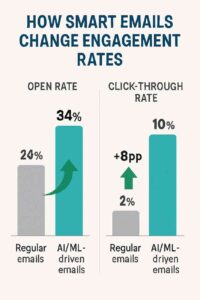
Consistent branding can increase open and click-through rates, as users are more likely to open emails they recognize and trust.
✅ E. Stronger Emotional Connection
Consistency fosters emotional connection and loyalty. Over time, your audience begins to associate your branding with specific values, solutions, or experiences.
3. Key Elements of Email Branding
To maintain consistent branding, focus on the following elements:
🖼️ A. Visual Identity
-
Logo: Place it prominently in the header or footer.
-
Colors: Use your brand’s color palette. Maintain uniformity in headers, buttons, backgrounds, and highlights.
-
Fonts: Stick to 1–2 brand fonts. Use web-safe fonts like Arial, Helvetica, or Georgia if needed.
-
Images: Use branded illustrations or photography styles. Avoid random stock photos.
-
Layout: Keep your email structure uniform (e.g., header, body, CTA, footer).
🗣️ B. Tone and Voice
-
Define your brand voice (e.g., friendly, formal, witty, inspirational).
-
Use a consistent writing style across emails—sentence length, emojis, contractions, vocabulary.
-
Stick to your audience’s reading level and expectations.
🧭 C. Email Structure and Format
-
Subject Line Style: Whether you use emojis, sentence case, or curiosity-driven titles, keep it consistent.
-
CTA Buttons: Use similar wording and design for calls-to-action.
-
Footer: Include consistent contact information, unsubscribe links, and social media icons.
📬 D. Sender Name and Email Address
-
Use the same “From” name and email address for all communications.
-
This ensures recipients recognize your emails and trust the source.
📅 E. Frequency and Timing
-
Stick to a regular schedule (e.g., every Tuesday at 10 a.m.).
-
This creates predictability and sets subscriber expectations.
4. Strategies to Maintain Consistent Branding in Emails
Here are step-by-step strategies to ensure brand consistency in your emails:
✅ 1. Create a Brand Style Guide for Emails
Develop a branding guide that outlines:
-
Logo usage
-
Color codes (Hex or RGB)
-
Font names and sizes
-
Tone of voice examples
-
Approved CTA formats
-
Signature format
This document should be accessible to everyone who creates or sends emails in your organization.
✅ 2. Use Email Templates
Instead of starting from scratch each time, create reusable email templates that match your brand guidelines. This ensures:
-
Consistent layout and design
-
Time saved in email creation
-
Reduced risk of inconsistency
Most email platforms like Mailchimp, ConvertKit, or Brevo allow you to create and save branded templates.
✅ 3. Segment and Customize While Staying On-Brand
If you’re customizing emails based on audience segments (e.g., new subscribers vs. returning customers), make sure you adapt your content without losing your core branding.
For example:
-
Keep the design and tone consistent, even if the message changes.
-
Avoid sudden shifts in personality or layout.
✅ 4. Train Your Team
If multiple people are involved in your email marketing, make sure they understand your branding guidelines. Conduct short training sessions or provide tutorials on using the brand kit and templates.
✅ 5. Conduct Brand Audits
Regularly review your sent emails to check for branding consistency. Look for:
-
Color mismatches
-
Off-brand language
-
Incorrect logo placements
-
Missing brand elements
Tweak your email strategy as needed.
✅ 6. Use Consistent Signature and Footer
Your signature (if included) and email footer should reflect your brand consistently. Include:
-
Your name and role (if relevant)
-
Logo or brand tagline
-
Website and social links
-
Unsubscribe link
5. Real-World Example: Consistent Email Branding
Let’s look at an example to understand how this works in practice.
Scenario:
Simran, a university student, runs a weekly newsletter called “StudyWithSimran”, offering tips on productivity, study hacks, and mental wellness.
Brand Identity:
-
Logo: A pencil and book icon in pastel shades
-
Color Palette: Soft purple, white, and dark blue
-
Font: Montserrat for headers, Arial for body
-
Tone: Friendly, motivating, and encouraging
-
Layout: Always begins with a quote, followed by 3 short tips, ends with a motivational CTA
Sample Email Format:
Subject Line: “📚 3 Study Hacks for a More Focused Week”
Header:
-
Logo in the top-left
-
Date of the email
Body:
-
“This week’s quote: ‘Discipline is choosing between what you want now and what you want most.’ – Abraham Lincoln”
-
Tip #1: Use the Pomodoro method (with link to free timer)
-
Tip #2: Start your day with a to-do list
-
Tip #3: Avoid multitasking—focus on one task at a time
CTA Button: “🎯 Download This Week’s Study Tracker”
Footer:
-
“You’re receiving this because you subscribed to StudyWithSimran”
-
Website link
-
Instagram, YouTube icons
-
Unsubscribe option
Result:
-
45% average open rate
-
22% click-through rate
-
Over 80% subscriber retention after 6 months
Simran’s subscribers appreciate the predictable, high-value content and her signature branding, making them look forward to each week’s message.
6. Tools to Help Maintain Consistent Branding
| Tool | Use |
|---|---|
| Canva Pro | Create branded email graphics and templates |
| Mailchimp | Save and reuse email templates |
| ConvertKit | Design and automate branded sequences |
| Brandfolder | Manage and share branding assets |
| Litmus | Test email design and consistency across devices |
7. Common Mistakes to Avoid
| Mistake | Why It’s Harmful |
|---|---|
| ❌ Using random fonts or colors | Breaks visual identity and looks unprofessional |
| ❌ Changing sender name frequently | Reduces recognizability and trust |
| ❌ Mixing tones (formal in one, casual in another) | Confuses the reader and weakens your voice |
| ❌ Inconsistent layout across emails | Causes cognitive overload and reduces readability |
Conclusion
Maintaining consistent branding in your emails is not just a cosmetic detail—it’s a strategic decision that influences your audience’s trust, recognition, and engagement. Every element, from colors and logos to tone and timing, contributes to the experience your subscribers associate with your brand.
When done well, email branding acts like a digital signature, leaving a lasting impression with every message you send. Whether you’re a student running a newsletter, a content creator, or a business, building and maintaining a strong email brand helps you stay memorable, credible, and effective in the inbox.
✅ Final Checklist: Email Branding Consistency
| Item | Check |
|---|---|
| 🖼️ Visual elements match your website and social media | ✅ |
| 🗣️ Consistent tone and voice across emails | ✅ |
| 📧 Same sender name and reply-to email | ✅ |
| 💻 Templates used for layout consistency | ✅ |
| 🧾 Branding guide created for team or yourself | ✅ |
| 📅 Emails sent at regular intervals | ✅ |
| 🔍 Regular branding audits done | ✅ |
Want a free branded email template or checklist? Let me know your brand name and niche, and I can create one tailored to your style!