What’s the Role of Affiliate Marketing in Local Businesses?
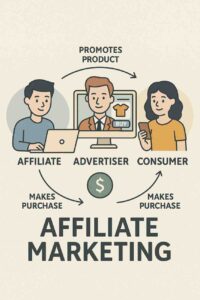
Affiliate marketing, a performance-based strategy where individuals or businesses earn commissions by promoting products or services through unique tracking links, is traditionally associated with large-scale e-commerce and global brands. However, in 2025, with the affiliate marketing industry valued at over $16 billion globally, its application to local businesses—such as restaurants, gyms, salons, or retail stores with a physical presence—has gained significant traction. Affiliate marketing offers local businesses a cost-effective, scalable way to drive foot traffic, boost sales, and expand their digital reach, while affiliates (e.g., local influencers, bloggers, or community groups) earn commissions for driving measurable results. This comprehensive explanation, spanning at least 1,200 words, will explore the role of affiliate marketing in local businesses, its benefits, challenges, and strategies, and provide a practical example to illustrate its impact.
Understanding Affiliate Marketing for Local Businesses
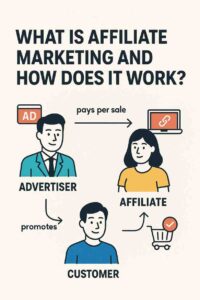
Affiliate marketing for local businesses involves partnering with individuals or entities (affiliates) who promote the business’s products, services, or events to their audiences in exchange for a commission based on actions like sales, bookings, or store visits. Unlike traditional affiliate marketing, which often focuses on online sales, local business affiliate programs emphasize:
- Local Audiences: Targeting customers within a specific geographic area, such as a city or neighborhood.
- Physical and Digital Conversions: Driving in-store purchases, service bookings, or online orders for local delivery.
- Community Engagement: Leveraging local influencers, bloggers, or organizations with strong ties to the community.
- Performance-Based Results: Paying affiliates only for verified outcomes, ensuring cost efficiency.
In 2025, advancements in mobile technology, geolocation targeting, and affiliate tracking platforms have made it easier for local businesses to implement affiliate programs, bridging the gap between digital marketing and physical commerce.
The Role of Affiliate Marketing in Local Businesses
Affiliate marketing plays a multifaceted role in helping local businesses grow, compete with larger brands, and engage their communities. Below are the key ways it contributes:
1. Driving Foot Traffic and Local Sales
Local businesses rely heavily on physical visits, and affiliate marketing incentivizes affiliates to drive customers to their storefronts.
- Geo-Targeted Promotions: Affiliates use geolocation tools (e.g., Geniuslink) to direct local audiences to the business via affiliate links or QR codes.
- Discount Codes: Affiliates share unique codes (e.g., “LOCAL10” for 10% off) that encourage in-store or online purchases, trackable via affiliate platforms.
- Event Promotions: Affiliates promote local events, such as restaurant openings or gym classes, driving attendance through tracked links.
Impact: Affiliates increase foot traffic by promoting to engaged, local audiences. For example, a local influencer’s Instagram post with a discount code can drive 100 store visits in a week, boosting sales.
2. Cost-Effective Marketing
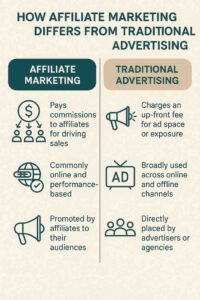
Unlike traditional advertising (e.g., billboards, local radio), affiliate marketing is performance-based, meaning businesses pay only for results.
- Low Upfront Costs: No fees are incurred unless affiliates drive conversions (e.g., sales, bookings).
- High ROI: Commissions (e.g., 5–20% per sale) are often lower than ad costs, maximizing marketing budgets.
- Scalable Campaigns: Businesses can partner with multiple affiliates, scaling promotions without proportional costs.
Impact: Local businesses with limited budgets, like a family-owned café, can compete with chains by paying $5 per sale instead of $500 for a newspaper ad.
3. Leveraging Local Influencers and Communities
Local influencers, bloggers, or community groups have trusted, hyper-local audiences, making them ideal affiliates.
- Micro-Influencers: With 1,000–50,000 followers, local influencers (e.g., a fitness coach promoting a gym) drive targeted engagement.
- Community Organizations: Local clubs or nonprofits can promote businesses to members, earning commissions for fundraising.
- Content Creators: Bloggers or YouTubers create localized content, such as “Top 5 Coffee Shops in [City],” embedding affiliate links.
Impact: Affiliates amplify brand visibility within the community, fostering trust and loyalty. A local food blogger’s review can attract 200 new customers to a restaurant.
4. Enhancing Digital Presence
Many local businesses struggle with digital marketing, but affiliate marketing bridges this gap by leveraging affiliates’ online platforms.
- Social Media Reach: Affiliates promote on Instagram, TikTok, or Facebook, reaching mobile-savvy local audiences (55% of web traffic is mobile in 2025).
- SEO Benefits: Affiliate blogs or videos linking to the business’s website improve local SEO, boosting rankings for terms like “best pizza in [City].”
- Online-to-Offline Conversions: Affiliates drive online engagement (e.g., clicks, bookings) that translate to in-store visits.
Impact: Affiliates extend a business’s digital footprint, attracting customers who discover the brand online. A salon’s affiliate-driven blog post can rank on Google, driving 1,000 monthly website visits.
5. Building Trust and Authenticity
Local businesses thrive on community trust, and affiliates enhance credibility through authentic promotions.
- Personal Recommendations: Affiliates share genuine experiences (e.g., a fitness coach reviewing a local gym’s classes), resonating with audiences.
- Localized Content: Affiliates create content tailored to the community’s culture or needs, such as a review of a café’s vegan menu.
- Transparent Disclosures: FTC-compliant disclosures (#ad, #affiliate) maintain trust while meeting legal requirements.
Impact: Authentic promotions build customer loyalty, increasing repeat visits. A trusted influencer’s endorsement can convert 5% of their audience into customers.
6. Enabling Data-Driven Marketing
Affiliate marketing provides local businesses with actionable data to refine strategies.
- Tracking Tools: Platforms like Scaleo or Impact track clicks, conversions, and sales, showing which affiliates or channels perform best.
- Customer Insights: Analytics reveal audience preferences (e.g., popular services, peak visit times), guiding promotions.
- Geo-Targeting: Tools like Voluum analyze location-based data, optimizing campaigns for specific neighborhoods.
Impact: Data-driven insights help businesses allocate budgets effectively, focusing on high-performing affiliates or channels.
7. Supporting Hybrid Models (Online and Offline)
Many local businesses offer both in-store and online services (e.g., delivery, e-commerce), and affiliate marketing drives both.
- Online Orders: Affiliates promote delivery or pickup options, such as a restaurant’s online ordering system.
- In-Store Tracking: QR codes or unique affiliate codes track in-store purchases, linking offline sales to affiliate efforts.
- Service Bookings: Affiliates drive appointments for salons, gyms, or clinics via booking platforms with affiliate tracking.
Impact: Affiliates boost both online and offline revenue, creating a seamless customer journey. A QR code campaign can drive 50 online orders and 100 in-store visits monthly.
Challenges of Affiliate Marketing for Local Businesses
- Limited Digital Infrastructure: Small businesses may lack websites or tracking systems, complicating affiliate programs.
- Tracking Offline Conversions: Measuring in-store visits or sales from affiliate links requires QR codes or point-of-sale integrations, which can be complex.
- Finding Relevant Affiliates: Identifying local influencers or bloggers with engaged audiences requires research.
- Regulatory Compliance: Businesses and affiliates must adhere to FTC guidelines and GDPR (for EU customers), necessitating clear disclosures and consent.
- Competition: Local businesses compete with national brands for affiliate partnerships, requiring competitive commissions.
Mitigation: Use user-friendly platforms like ShareASale, offer attractive commissions (10–20%), and partner with micro-influencers for cost-effective, targeted promotions.
Strategies to Leverage Affiliate Marketing for Local Businesses
- Partner with Local Influencers: Collaborate with micro-influencers or community leaders to reach engaged audiences.
- Use Trackable Codes/Links: Implement QR codes or affiliate links via platforms like Impact for accurate tracking.
- Offer Incentives: Provide exclusive discounts or perks (e.g., free coffee with purchase) to drive conversions.
- Optimize for Mobile: Ensure websites and landing pages are mobile-friendly, as 55% of traffic is mobile.
- Leverage Local SEO: Encourage affiliates to create content with local keywords (e.g., “best bakery in Seattle”).
- Track and Analyze: Use analytics tools to monitor affiliate performance and refine campaigns.
- Ensure Compliance: Train affiliates on FTC disclosures and GDPR consent requirements.
Example of Affiliate Marketing for a Local Business
Scenario
Maria owns “GreenLeaf Café,” a vegan café in Portland, Oregon, struggling to compete with larger chains. She launches an affiliate program through ShareASale to drive foot traffic and online orders, offering 15% commissions per sale (average order $20, so $3 per sale). Maria partners with local influencers and a community blog to promote her café.
Step 1: Program Setup
Maria sets up her affiliate program on ShareASale, providing affiliates with unique tracking links and a discount code, “GREEN15,” for 15% off in-store or online orders. She creates promotional materials (e.g., menu highlights, vegan dessert photos) and a QR code for in-store tracking, integrated with her point-of-sale system.
Step 2: Partnering with Affiliates
Maria recruits:
- Sophie, a Portland-based Instagram micro-influencer (20,000 followers) known for vegan lifestyle content.
- Portland Foodie Blog, a local blog with 10,000 monthly readers, focusing on sustainable dining.
- Green Vibes Community, a local vegan meetup group, to promote to members.
She offers training on FTC disclosures (#ad, #affiliate) and provides a landing page (greenleafcafe.com/affiliate) for online orders.
Step 3: Content and Promotion
- Sophie’s Campaign: Sophie posts an Instagram Reel showcasing her meal at GreenLeaf, highlighting the avocado toast and vegan brownies. She includes “GREEN15” and a swipe-up affiliate link, disclosing with #ad. She also shares a Story with a QR code for in-store discounts.
- Portland Foodie Blog: The blog publishes “Top 5 Vegan Spots in Portland,” featuring GreenLeaf with an affiliate link and “GREEN15” code. The post is optimized with SEMrush for keywords like “vegan café Portland,” ranking on Google’s first page.
- Green Vibes Community: The group promotes GreenLeaf’s monthly vegan cooking class via a Telegram channel, sharing a QR code for ticket purchases.
Step 4: Tracking and Optimization
Maria uses ShareASale’s analytics to track performance:
- Sophie drives 200 online orders and 100 in-store visits ($6,000 in sales, $900 in commissions).
- The blog generates 150 online orders ($4,500 in sales, $675 in commissions).
- The community drives 50 class bookings ($2,000 in sales, $300 in commissions).
Voluum’s AI shows Instagram Reels outperform Telegram, prompting Maria to focus on Sophie’s campaigns. Google Analytics confirms 60% of traffic is mobile, leading Maria to optimize her website with Thrive Architect for faster loading.
Step 5: Compliance and Engagement
Maria ensures affiliates use FTC disclosures and adds a CookieBot GDPR-compliant banner to her website. Sophie responds to Instagram comments, answering questions about menu options, boosting engagement. Maria hosts a “Vegan Night” event, promoted by affiliates, to thank customers and affiliates, fostering loyalty.
Outcomes
- Sales Growth: The campaign generates $12,500 in sales ($1,875 in commissions), with 70% from in-store visits and 30% from online orders.
- Foot Traffic: GreenLeaf sees 250 new customers monthly, increasing repeat visits by 20%.
- Digital Reach: The blog post attracts 3,000 organic visitors, boosting local SEO.
- Community Trust: Sophie’s authentic promotion builds loyalty, with 30% of her followers becoming regulars.
- Scalability: Maria expands the program to include two more influencers, doubling sales.
Why This Example Matters
Maria’s campaign demonstrates how affiliate marketing drives foot traffic, online orders, and brand awareness for a local café. By partnering with local influencers, using trackable codes, and optimizing for mobile and SEO, she leverages ShareASale, Voluum, Thrive Architect, and CookieBot to achieve cost-effective, measurable results, showcasing affiliate marketing’s power for local businesses.
Conclusion
Affiliate marketing plays a transformative role for local businesses in 2025, driving foot traffic, boosting sales, and enhancing digital presence in a cost-effective, performance-based manner. By leveraging local influencers, community groups, and tools like ShareASale, businesses reach targeted audiences, build trust, and compete with larger brands. Challenges like tracking offline conversions or finding relevant affiliates are mitigated through QR codes, analytics, and strategic partnerships. The example of GreenLeaf Café illustrates how a local business can use affiliate marketing to drive $12,500 in sales, grow its customer base, and strengthen community ties. As mobile traffic and digital adoption grow, affiliate marketing empowers local businesses to thrive in a $16 billion industry, bridging the gap between physical and digital commerce with measurable success.